
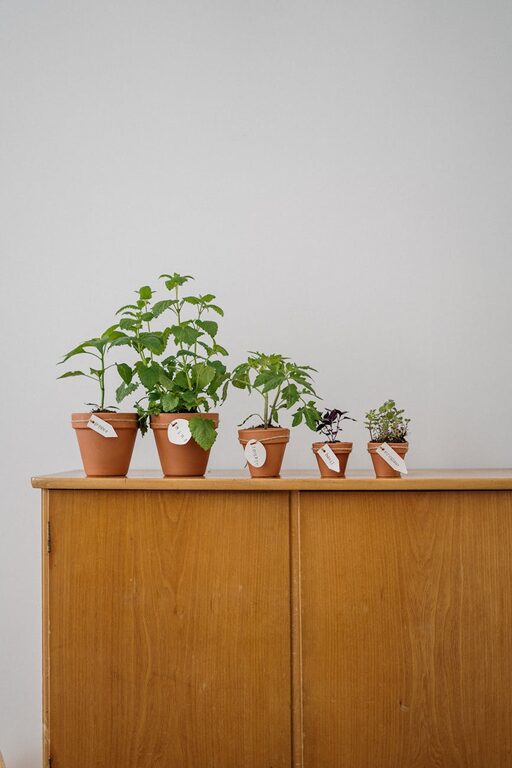
Starting an indoor herb garden is a rewarding and practical way to bring fresh flavors into your kitchen while enjoying the beauty and benefits of growing plants at home. Whether you have limited space or want year-round access to herbs, cultivating a small herb garden indoors is easier than you might think.
In this guide, you’ll discover how to choose the right herbs, select containers, plant your seeds or seedlings, and care for them so your garden thrives. Let’s get started!
Why Grow Herbs Indoors?
Indoor herb gardens offer several benefits:
– Freshness: Have fresh herbs like basil, parsley, and thyme at your fingertips.
– Convenience: No need to step outside or buy small, overpriced store-bought herb packages.
– Air quality: Many herbs help purify indoor air.
– Aesthetic appeal: Herbs add greenery and pleasant aromas to your living space.
– Cost savings: Growing your own can save money over time.
Choosing the Right Herbs for Your Indoor Garden
When selecting herbs for indoor gardening, consider the following:
– Light requirements: Most herbs need at least 6 hours of sunlight daily.
– Space: Some herbs grow compactly, while others spread out.
– Usage: Choose herbs you enjoy cooking with or want for their scents.
Herbs That Grow Well Indoors
– Basil: Needs bright light and warmth; great for Italian dishes.
– Parsley: Tolerates moderate light and grows quickly.
– Chives: Easy to grow; ideal for garnishing salads and soups.
– Thyme: Loves sunlight; drought-resistant.
– Mint: Grows vigorously; keep in a separate pot to prevent spreading.
– Cilantro: Prefers cool temperatures and moderate sunlight.
– Oregano: Requires bright light; adds flavor to many cuisines.
Selecting Containers and Soil
Containers
– Size: Choose pots that are at least 4-6 inches deep to allow root growth.
– Drainage: Ensure containers have drainage holes to prevent waterlogging.
– Material: Terra cotta, ceramic, or plastic all work, depending on your style and budget.
Soil
– Use a high-quality potting mix formulated for indoor plants.
– Avoid garden soil, which can be too dense and may carry pests.
– Consider a mix with good drainage and moisture retention.
Planting Your Herb Garden
Starting from Seeds
– Fill containers with potting mix.
– Follow seed packet instructions for planting depth.
– Lightly water the soil and cover with plastic wrap or a humidity dome to encourage germination.
– Place in a warm, bright spot.
Using Seedlings or Small Plants
– Gently remove the plant from its nursery container.
– Loosen the roots if crowded.
– Plant in your chosen container, firming the soil around the base.
– Water thoroughly.
Choosing the Right Location
Herbs thrive in bright, sunny locations. Ideal spots include:
– South- or west-facing windows
– Under a grow light if natural sunlight is insufficient
– On a sunny kitchen countertop or windowsill
Avoid drafty areas or spots with temperature fluctuations.
Daily Care for Indoor Herb Gardens
Watering
– Herbs generally prefer the soil to dry slightly between watering.
– Check soil moisture by touching the top inch.
– Water when dry but avoid overwatering to prevent root rot.
Light
– Provide at least 6 hours of bright light.
– If natural light is lacking, use LED grow lights for 8-12 hours daily.
Temperature and Humidity
– Most herbs grow best between 65-75°F (18-24°C).
– Avoid placing plants near heating or cooling vents.
– If your home is dry, boost humidity by misting or placing a tray of water nearby.
Fertilizing
– Feed herbs with a diluted liquid fertilizer every 4-6 weeks.
– Avoid heavy feeding which can reduce flavor intensity.
Harvesting and Using Your Herbs
When to Harvest
– Harvest herbs when plants have several sets of leaves.
– Pick leaves in the morning for the best flavor.
– Avoid removing more than one-third of the plant at a time to keep it healthy.
How to Harvest
– Use clean scissors or pinch between your fingers.
– Focus on cutting tips and new growth, encouraging bushier plants.
Storage
– Use fresh herbs immediately for best flavor.
– You can also dry or freeze excess herbs for later use.
Troubleshooting Common Issues
– Yellow leaves: Overwatering or poor drainage.
– Leggy growth: Lack of sufficient light.
– Pests: Look for aphids or spider mites; wipe leaves with mild soapy water.
– Wilting: Check watering habits and root health.
Final Tips for Success
– Start with a few herbs and expand your garden once comfortable.
– Rotate containers occasionally for even growth.
– Keep a small journal to track watering and fertilizing schedules.
Growing a small herb garden indoors brings fresh tastes and a green touch to your home. With basic care and attention, you’ll enjoy a flourishing garden that feeds your cooking creativity and your love for plants. Happy gardening!